
Trust Lawyer Orlando, FL
If you are considering setting up a trust in Orlando, you probably have questions. What type do you need? Is it worth the cost? Will it actually accomplish what you want it to accomplish? The reasons people come to us vary widely, but there is usually one thing in common: they want control over what happens to their property when they are gone, and they want to make the process easier on the people they leave behind.
Magill Law Offices has been serving Central Florida since 1977. Our Orlando, FL trust lawyer drafts trusts, handles trust administration after someone passes, and works on related estate planning matters throughout Orange County. We offer free consultations so you can determine whether a trust makes sense for your situation before making any commitment.
Why Choose Magill Law Offices for Trust Services in Orlando, Florida?
Nearly Five Decades in Florida Trust Law
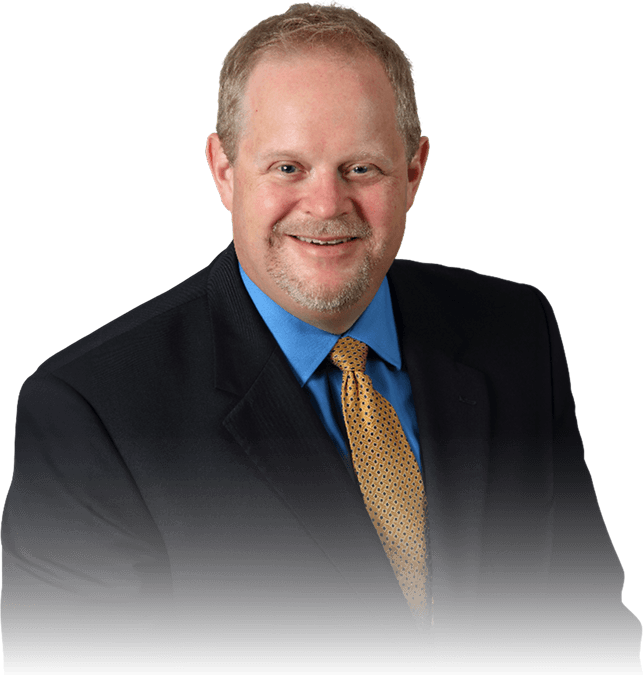
Robert T. Magill earned his J.D. from Florida A&M University College of Law and completed his undergraduate degree at the University of Central Florida. The Florida Bar admitted him in 2008. His education in estate planning started much earlier than law school, however. He worked in the legal field alongside his father for over 20 years, learning how trusts actually function in real families facing real problems.
That practical background shows up in the work. Trust law has many moving parts. The technical requirements under Florida’s Trust Code are important, but so is understanding how a particular trust structure will play out five or ten years from now when circumstances change. Robert has watched enough families go through the process to know what holds up and what falls apart.
Professional Involvement
Robert taught estate planning as an Adjunct Professor at the University of Central Florida. He is a member of the Orange County Bar Association and belongs to the Real Property, Probate & Trust Law Section of The Florida Bar.
If you need an estate planning lawyer in Orlando, FL, trust work fits into a bigger picture. Most clients also need a will, a power of attorney, and healthcare directives. We handle all of these matters.
Free Consultations
We do not charge for the initial meeting. You can come in, explain what you are trying to accomplish, and ask your questions. If a trust does not make sense for your situation, we will tell you. Not everyone needs one, and we believe in giving honest assessments from the start.
⭐⭐⭐⭐⭐
“Robert Magill was recommended to me after the death of a close family member. His expertise was crucial for achieving a correct and seamless administration of the family member’s will. If I had a question, Robert returned my email immediately, if he could. If he was in court, he contacted me as soon as possible. Robert’s legal fee was reasonably priced. He was always pleasant to work with. He far exceeded my expectations in every regard. If I could give him 100 stars, I would.” – Daniel Shay
Read more reviews on our Google Business Profile.
Types of Trust Cases We Handle in Orlando
Different trusts serve different purposes. The right one depends on what you own, who you are trying to protect, and what problems you are trying to solve. Below are the types of trust matters we handle most frequently.
- Revocable living trusts. This is the most common type we create. You retain full control while you are alive and can change or revoke the trust whenever you want. When you die, assets in the trust skip the probate process entirely, which means your family avoids months of court proceedings, legal fees, and public records.
- Irrevocable trusts. These are more difficult to modify once established, which is the tradeoff. In exchange, you receive stronger asset protection and potential estate tax benefits. Clients with larger estates or significant business interests sometimes require this structure.
- Special needs trusts. If you have a child with a disability who receives Medicaid or SSI, leaving them money outright causes them to lose those benefits. A special needs trust allows you to provide for them without triggering disqualification. The rules governing these trusts are strict, and errors can defeat the entire purpose.
- Testamentary trusts. These trusts do not exist until you die because they are created through your will. Parents frequently use them to hold money for young children until they reach 25, 30, or whatever age seems appropriate for responsible management.
- Trusts for blended families. Second marriages create complicated dynamics quickly. You want to provide for your spouse, but you also want to make sure your children from a prior marriage are not left out. A trust can address both concerns. We work with many blended families in the Orlando area facing exactly this situation.
- Charitable trusts. Charitable giving can be structured to benefit you during your lifetime while supporting causes that matter to you. Tax advantages exist, but the details depend on the type of charitable trust and your specific financial circumstances.
Florida Legal Requirements for Trusts
Florida governs trusts through Chapter 736 of the Florida Statutes, known as the Florida Trust Code. You do not need to memorize it, but several provisions are worth understanding.
What Makes a Trust Valid
You need a settlor with legal capacity, which is the person creating the trust. You need a trustee who accepts the responsibility. You need at least one beneficiary who can be identified. And you need property that is actually transferred into the trust. Without all four elements, you do not have a valid trust under Florida law.
Most trusts must be in writing. Revocable trusts require the settlor’s signature. Oral trusts exist in limited circumstances, but they are rare and typically problematic.
Trustee Obligations
Serving as a trustee is not an honorary position. Florida law imposes real duties on anyone who accepts the role. Florida Statute 736.0801 requires trustees to act in good faith, follow the trust’s terms, and prioritize the beneficiaries’ interests. Trustees who fail to meet these standards face personal liability, and courts can remove them.
Homestead Rules
Florida’s homestead protections are unusually strong compared to other states. Your primary residence receives special treatment under both the Florida Constitution and state statutes. Transferring your home into a trust while married requires careful drafting, because errors can strip away protections your spouse would otherwise have. A trust attorney in Orlando who understands homestead law can structure this transfer correctly.
Important Aspects of an Orlando Trust Case
A trust document is merely paper until the details are handled correctly. These are the elements we focus on with every trust client.
Funding the Trust
This step is where many people make critical errors. You sign the trust document and assume you are finished, but you are not.
The trust only controls assets that have been transferred into it. Bank accounts need to be retitled in the trust’s name. Investment accounts require the same treatment. Real estate must be conveyed by a new deed. If you miss this step, your trust sits there accomplishing nothing while your family still ends up in Orange County Probate Court. We guide clients through the funding process and provide a detailed checklist so nothing is overlooked. The strategies for avoiding probate only work if they are fully implemented.
Selecting a Trustee
Most people name themselves as trustee of their own revocable trust, which makes sense because it allows them to retain control.
However, you also need a successor trustee who can take over if you become incapacitated or when you pass away. This choice carries significant weight. The successor trustee will manage assets, make distribution decisions, and navigate relationships with beneficiaries who may disagree with each other. Some clients select a spouse or adult child. Others prefer a professional trustee or a bank trust department. The right choice depends on the complexity of your assets and the family dynamics involved.
Determining Who Gets What and When
Your beneficiary designations drive everything. You can distribute all assets immediately upon death, or you can hold them in trust for years. Distributions can be staggered at certain ages or tied to conditions such as completing a degree or maintaining employment.
Parents with young children almost always delay distribution. Handing a 19-year-old a lump sum inheritance rarely produces good results. Clients concerned about a beneficiary’s divorce exposure, creditor problems, or spending habits often keep assets protected inside the trust for longer periods. The specific language in your trust document determines how these provisions operate.
Planning for Incapacity
A revocable living trust handles incapacity without court involvement. If you can no longer manage your own affairs, your successor trustee steps in immediately. There is no guardianship proceeding required and no judge deciding who controls your finances.
This matters more than many people realize. Guardianship cases in Florida cost thousands of dollars and take months to resolve. Your family must prove to a court that you are incapacitated. Meanwhile, bills go unpaid and decisions stall. A properly drafted trust eliminates this problem entirely.
Coordinating With Other Documents
A trust by itself leaves gaps in your planning. Most clients also need a pour-over will to capture any assets that were not transferred into the trust during their lifetime. A durable power of attorney handles financial matters that the trust does not cover. A healthcare directive addresses medical decisions.
We draft these documents together because they must coordinate with each other. Conflicting documents create confusion and can lead to litigation.
Keeping Your Trust Current
Your life in 2025 probably looks different than it did in 2015, and your trust should reflect those changes.
Divorce, remarriage, new grandchildren, a move to or from Florida, selling a business, or acquiring new property can all render your existing trust outdated or counterproductive. We advise clients to review their documents every three to five years, or whenever something significant changes. Updating your estate plan is not optional if you want it to function as intended.
Contact Magill Law Offices
If you would like to discuss whether a trust fits your situation, we are ready to help. Our Orlando trust attorney offers free consultations where you can explain your circumstances and receive direct answers about your options and the costs involved.
We respond to calls and emails promptly. You can reach out to us today to schedule a meeting.
A trust that is drafted and funded correctly protects your family and simplifies the transfer of your assets when the time comes. A trust that is done incorrectly is an expensive collection of documents that accomplishes nothing. We have been helping Orlando families get this right since 1977.